
Most chronic illness isn't a mystery. It's just been under-investigated.
If you've spent years accumulating test results, diagnoses, and partial explanations — feeling like the pieces don't quite add up — you're probably not missing a diagnosis. You're missing someone who's willing to look at the whole picture.
Who is this approach for?
I work with people navigating complex, chronic, and often poorly-explained health issues.
Fatigue that doesn't respond to rest. Inflammation without a clear cause. Hormonal disruption, gut dysfunction, immune reactivity, nervous system dysregulation — and the way these things overlap, reinforce each other, and resist simple solutions.
My clients have often tried the conventional path, the functional medicine path, and several things in between. They've usually been told something is normal when it isn't, or treated for one thing while four others were missed.
The Approach
I'm not looking for the diagnosis. I'm looking for the pattern.
My work draws on functional nutrition, environmental science, genetics, counselling, and nervous system physiology. Rather than treating conditions in isolation, I look at how biological systems interact — where capacity has been lost, what's maintaining the problem, and what the body actually needs to stabilise and recover.
This includes working with:
Autoimmune disease · Chronic fatigue · Long COVID · Mast cell activation · Histamine intolerance · Methylation · Gut health · Mitochondrial dysfunction · POTS & dysautonomia · Hormonal disruption & infertility · Environmental illness · Metabolic dysfunction · Stress physiology · Trauma
Finding the right starting point
Most people begin with a personalised consult — a 60-minute session designed to make sense of how your symptoms fit together, identify which systems are most under strain, and determine what needs to happen first.
If you're not sure whether a full consult is the right first step, an orientation call is a brief, no-pressure free conversation to check fit and answer practical questions.
I'll let you know honestly if I think I can help.
What people are saying
"I was told it was just age, and that medication was the only option. What I needed was someone willing to keep digging. Through additional bloodwork and a microbiome test, we identified two significant modifiable factors that had likely been contributing to my condition — things nobody had looked for before. I'm still on my medication and still working through the process, but for the first time I have a clearer picture of what's been driving things, and someone in my corner who isn't willing to stop looking."
Client with blood cancer, GI issues and chronic fatigue"I'd spent twenty years being managed, not understood. Working with Lou, we discovered severe nutritional deficiencies that had been underpinning many of my symptoms — things that had never been looked for. I've been able to gradually reduce my reliance on medication under my psychiatrist's supervision, I'm sleeping better, I have more energy, and I'm doing things I couldn't do before. But the biggest shift is knowing that there isn't something inherently wrong with me — and that I can keep improving."
Client with longstanding psychiatric diagnoses, online"I couldn't do anything quiet — even reading a book before bed meant falling asleep within minutes. I'd wake up exhausted every morning and couldn't tolerate exercise at all. Over the past few months I've started reading again at night, I'm going for regular walks, I've lost a significant amount of weight without starving myself — and my eye specialist has even confirmed my eyesight has improved."
Client with narcolepsy and severe fatigue, onlineNot sure where to start? This might help.

I've put together a free guide on the five findings that show up most consistently in complex chronic illness — and that standard testing almost always misses. If you've been told your results are normal while continuing to feel anything but, it's worth a read.
Sign up to my free newsletter, Metabolic Medicine, to access it.
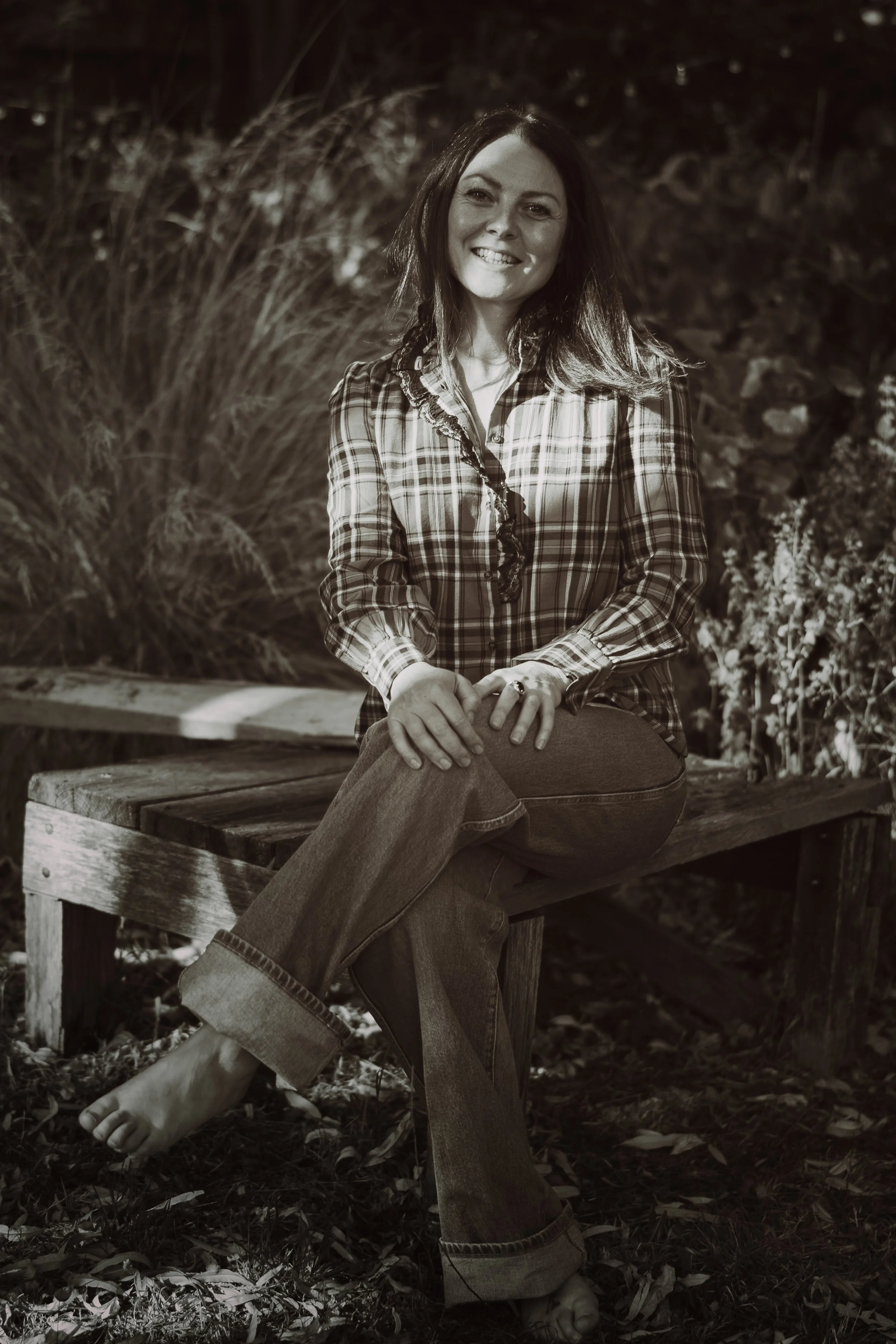
Lou Chalmer
Scientist · Integrative Natural Medicine Practitioner · Counsellor
I came into this work through my own experience with autoimmune disease and chronic illness — which means I understand both the biology and what it's like to not be taken seriously. I hold qualifications in environmental science, nutrition, counselling, nervous system physiology, and genetics, and I practise Internal Family Systems (IFS) therapy alongside my clinical work.
I work with clients in person in regional Victoria and online across Australia and internationally.

If You’re Not Ready to Start Yet…
Not everyone arrives here ready to book an appointment — and that’s okay.
If you’re still trying to understand what’s happening in your body, or need time to orient before taking the next step, you may find these resources helpful:
These explore some of the patterns I see most often in people with complex or chronic symptoms, and may help you recognise whether the approach described here is relevant for you.
When you’re ready, the best place to start is a personalised consult.