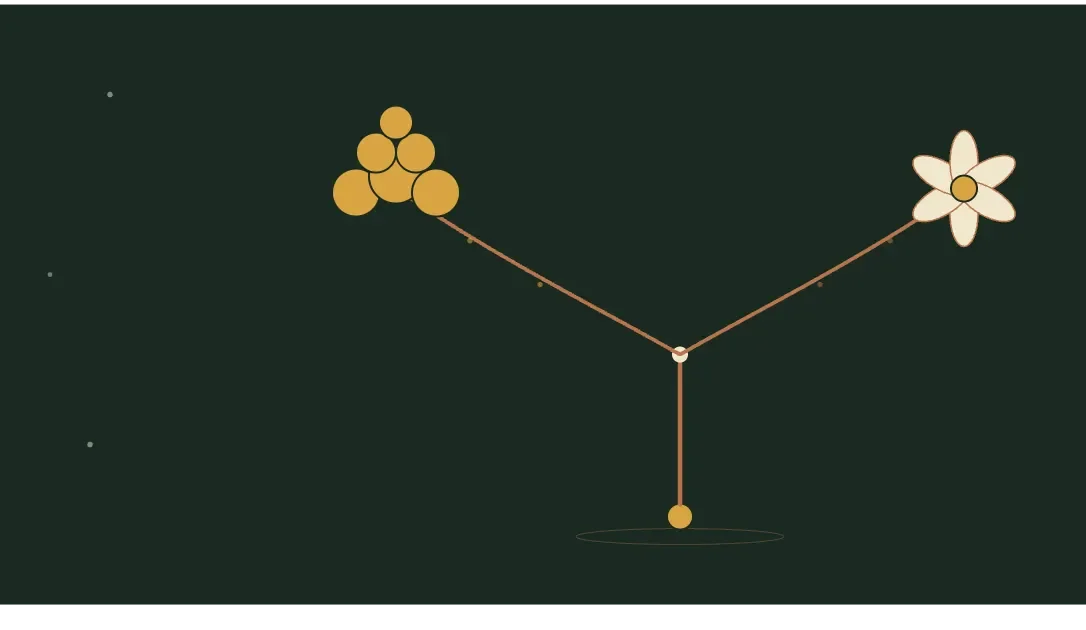
PMOS Treatment Is Built for One Phenotype. It's Failing the Other Half.
PMOS protocols target insulin resistance by default. If your androgens are adrenal rather than ovarian, that protocol isn't just unhelpful, it can be working against you.
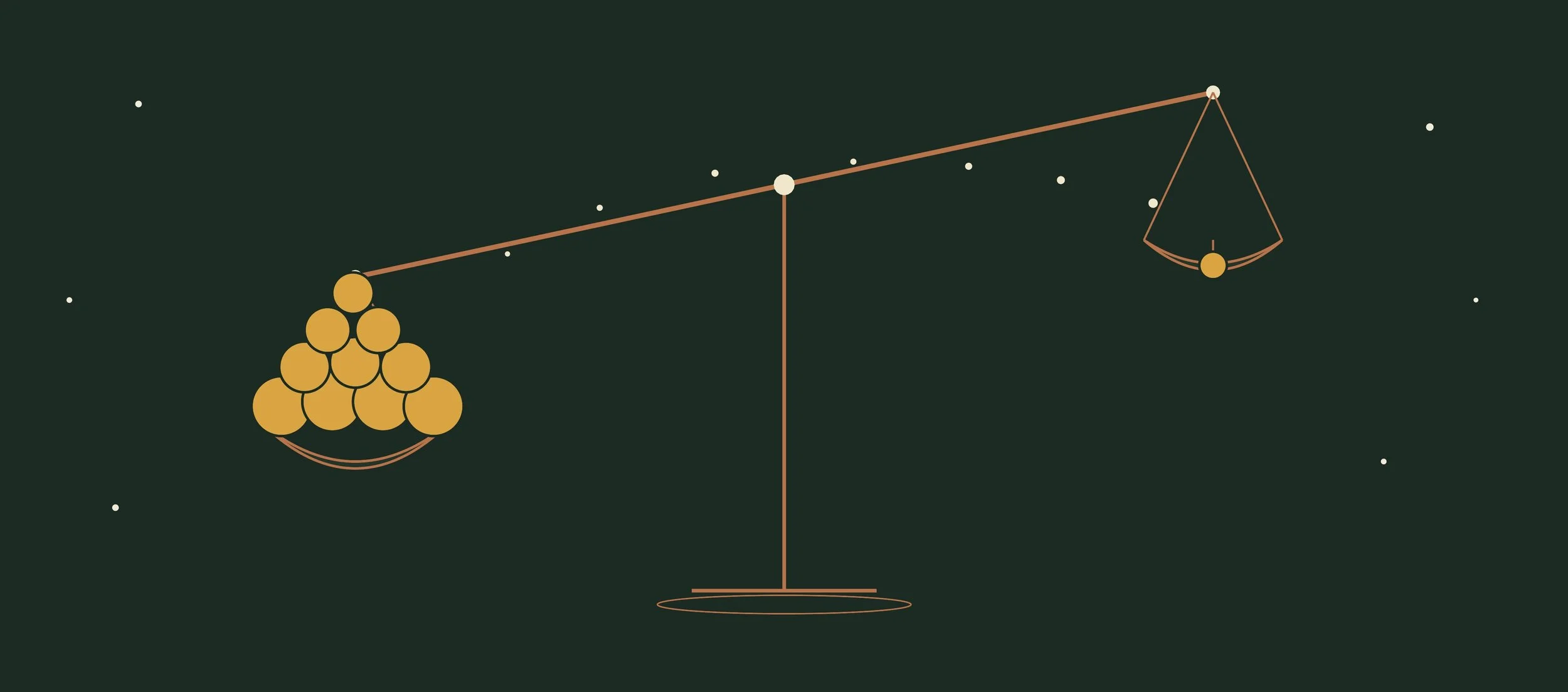
Short Cycles, Long Cycles, No Cycles: They're All Reading the Same Signal
Cycles change before they stop, shorter, then longer, then absent. Here's the underfueling signal most women, and their doctors, were never taught to read.

PCOS Has a New Name. Your Testing Is Still Running on 2003 Logic.
PCOS was renamed PMOS in May 2026. The diagnostic criteria haven't moved since 2003, and most hormone panels are still built to miss dysfunction, not catch it.
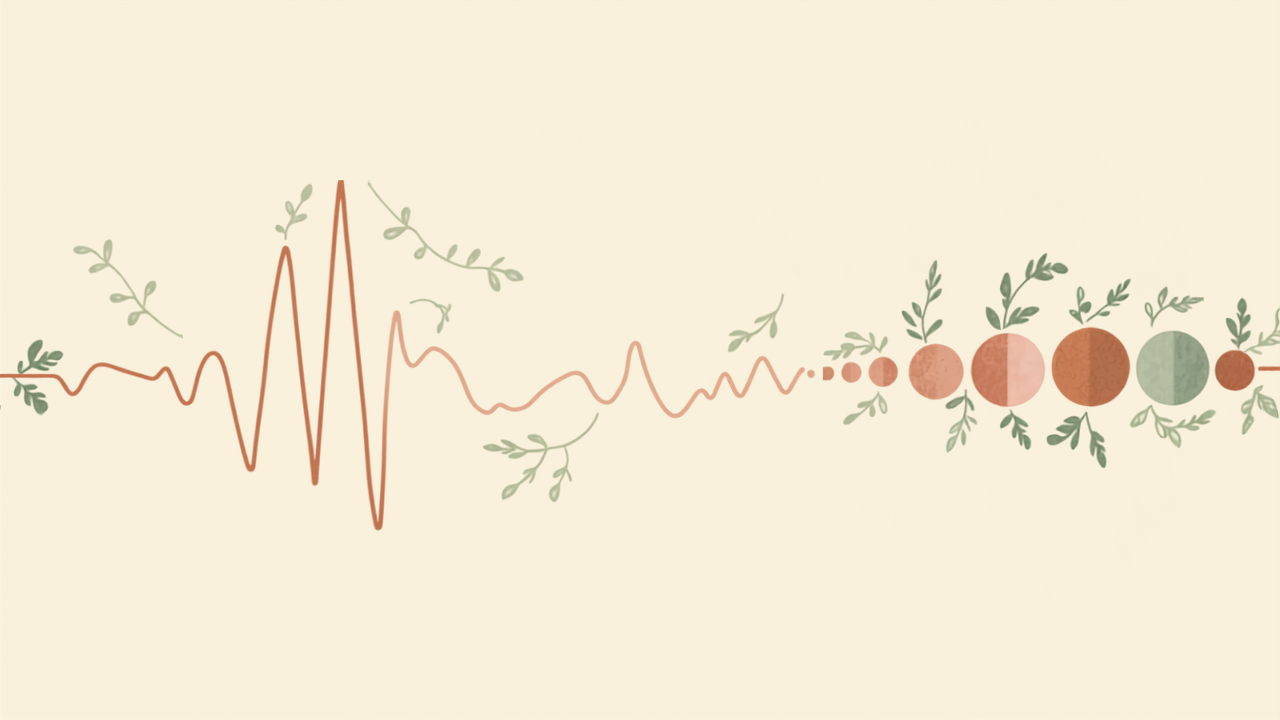
The Menstrual Cycle Is a Vital Sign. Almost Nobody Was Taught to Read It.
In 2015, ACOG told doctors to treat the menstrual cycle as a fifth vital sign. Here's what that actually means, the biology connecting your cycle to your energy availability, and the five patterns most women were never taught to read in their own bodies.

Low Progesterone Symptoms Aren't Just About Your Period, They're About Your Nervous System
Low progesterone doesn't just affect your cycle. It affects your nervous system too. Here's the mechanism linking progesterone, anxiety, and the vagus nerve.

PCOS is 50–70% heritable. Genetic markers explain less than 10% of cases. What that gap means.
PCOS, endometriosis, and adenomyosis all run in families — but heritability isn't destiny. What the genetics actually show, and why the investigation isn't over.

PCOS Has Been Renamed PMOS — And It Changes Everything About How We Should Treat It
PCOS has officially been renamed PMOS — polyendocrine metabolic ovarian syndrome. Here's what the name change actually means, why it matters, and how it should change the way the condition is treated.